Boosting Amazon Store Margins: Post-Purchase Tactics You’re Probably Ignoring
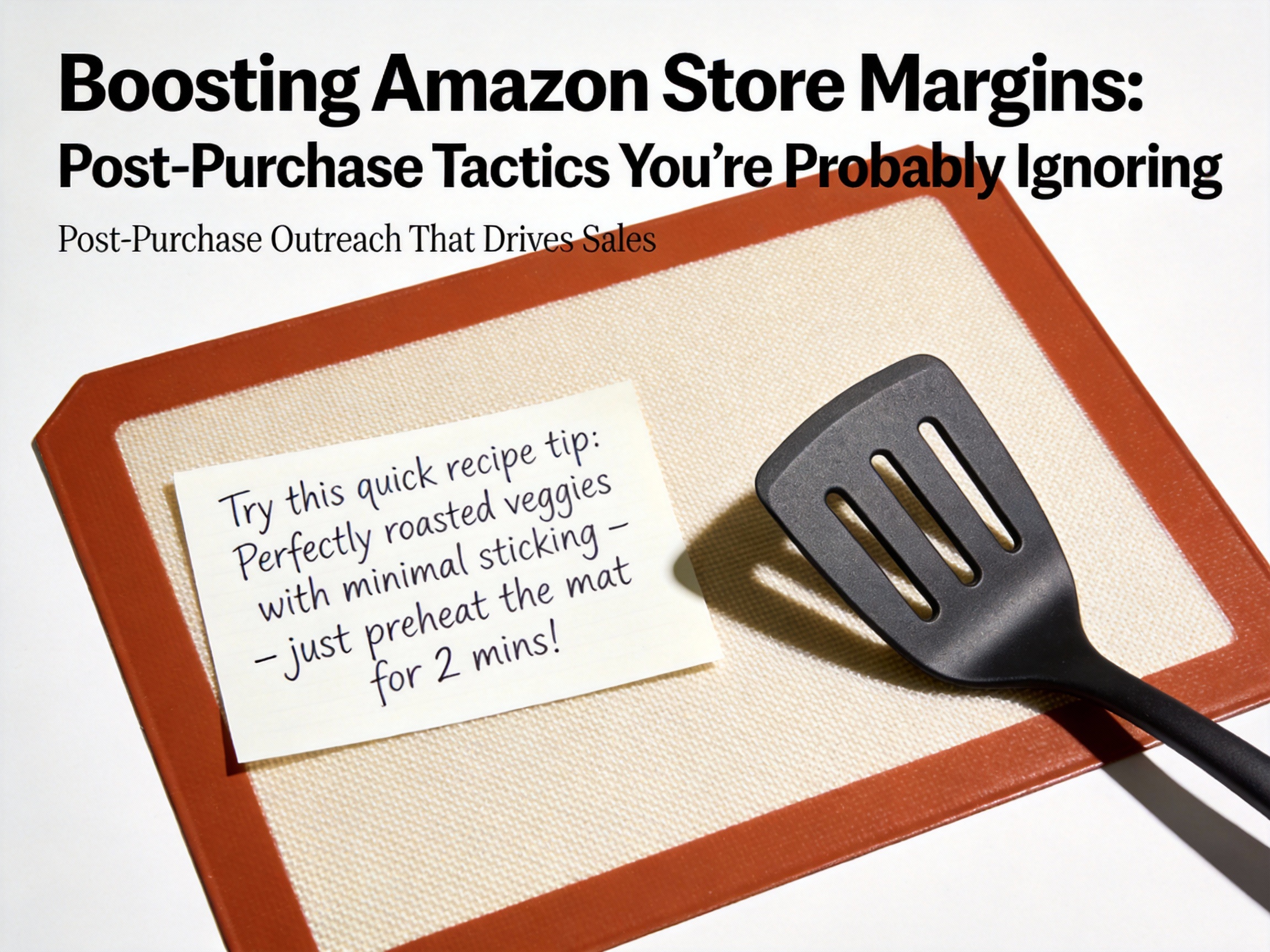
I used to think Amazon success was all about keyword rankings and ad spend until I started digging into what happens after a customer clicks "buy." I shifted a chunk of my ad budget to post-purchase outreach, but not the generic "thanks for buying" stuff. I crafted hyper-specific messages for each product line: if someone ordered my silicone baking mats, I sent a note with a quick recipe tip and a gentle nudge toward my matching non-stick spatulas—items I had excess inventory of. The kicker? 18% of those recipients followed through, and since the spatulas had a 65% margin, that extra revenue didn’t eat into my ad ROI at all.
Next, I turned customer feedback into inventory gold. I noticed reviews on my travel coffee mugs mentioned they wished the lid was more spill-proof for commutes. Instead of rushing to redesign the lid (which would have cost a fortune in tooling), I paired each mug with a cheap, spill-resistant lid I found on a bulk supplier site. I didn’t raise the mug’s base price, but I added a "commuter bundle" option at a 10% markup over the individual items. Slow-moving lid inventory vanished, and the bundle’s margin was 22% higher than selling the mug alone because I bought the lids at a 40% discount for overstock.
I almost missed the third tactic because I was too busy obsessing over sales metrics. A fellow seller pointed out I was paying premium FBA storage fees for items that took ages to sell. I ran a quick audit and found three niche kitchen gadget SKUs sitting in warehouses collecting fees. I reclassified them as "slow-moving" in Seller Central, cutting their monthly storage costs by 35%. Even better, I listed those items on my off-Amazon store with a free shipping offer for customers who clicked over from my Amazon product page. It didn’t move all of them overnight, but it stopped the fee bleeding and drove loyal customers to my own site where margins are even higher.
- 79
- 0
- 0
- 0