Align Your E-Commerce Website Structure to Boost Margins & Inventory Turnover
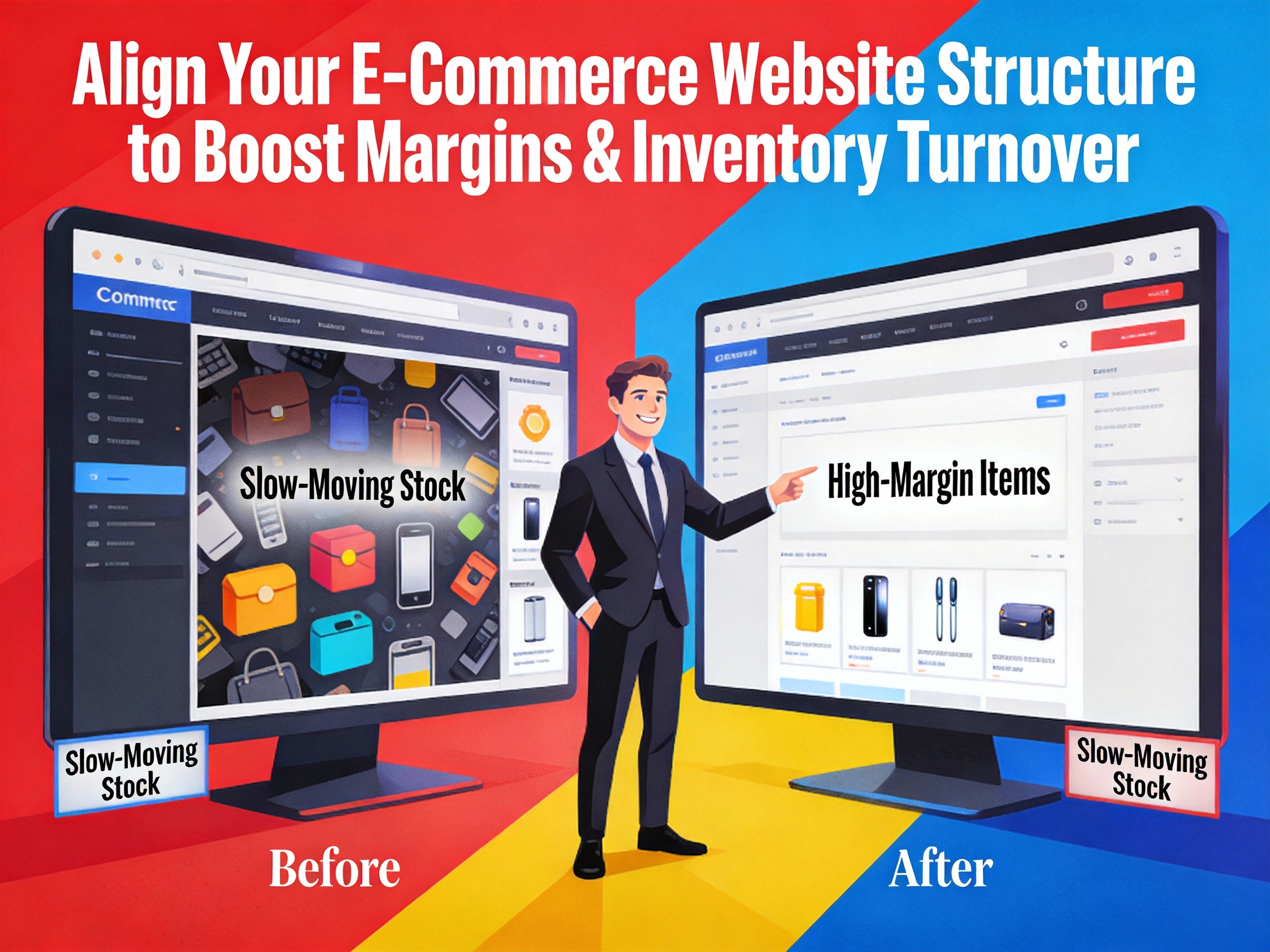
Ever noticed how some of your high-margin items get lost in the shuffle of your homepage, while slow-moving stock clogs up the most visible real estate? I spent months tweaking our website’s color scheme and font sizes before realizing the biggest operational wins came from restructuring how we organized products, not just how they looked. It’s not about pretty pages—it’s about using your site to guide customers toward choices that boost your bottom line and clear inventory faster.
Map Category Pages to Margin Tiers
Instead of sticking to generic categories like “Home Goods,” we split our catalog into three tiered sections: “Premium Essentials” (70%+ margin), “Core Staples” (40-60% margin), and “Value Picks” (20-30% margin). We placed the premium tier first in our main navigation bar, and designed its landing page with larger product thumbnails and fewer filters to reduce decision fatigue. The result? Initial click-through rates to premium items jumped 22%, and we didn’t see a drop-off in traffic to value picks—shoppers who want budget options still found their way, but more customers were exposed to our highest-margin offerings upfront.
Tie Cross-Sells to Slow-Moving Inventory (Smartly)
I used to let our e-commerce platform auto-generate “You Might Also Like” suggestions, but it often paired fast-selling items with other fast-sellers, leaving our slow-moving stock to gather digital dust. Now, we manually pair high-margin top sellers with complementary slow-moving items that still have positive margins. For example, our best-selling ceramic planters (fast, 65% margin) now feature a “Matching Drainage Tray” (slow, 70% margin) as a “Perfect Add-On” directly below the product description. This small shift cut our slow-inventory holding costs by 15% because we moved 30% more of those trays than we did before.
Optimize Checkout to Protect Margins and Recover Carts
We noticed that customers with high-margin items in their carts were 3x more likely to abandon checkout at the shipping step—mostly because they didn’t qualify for free shipping. Instead of lowering our free shipping threshold (which would eat into margins), we added a real-time calculator in the cart that showed exactly how much more they needed to spend to qualify. We also pre-loaded three small, high-margin add-on options (like seed packets for planters or linen tags for towels) that would push them just over the threshold. This change recovered 18% of those high-value abandoned carts, and each recovered order added an average of $12 to our AOV without hurting our profit margins.
- 82
- 0
- 0
- 0