E-Commerce as My Lifestyle Canvas: Selling Stories, Not Just Products
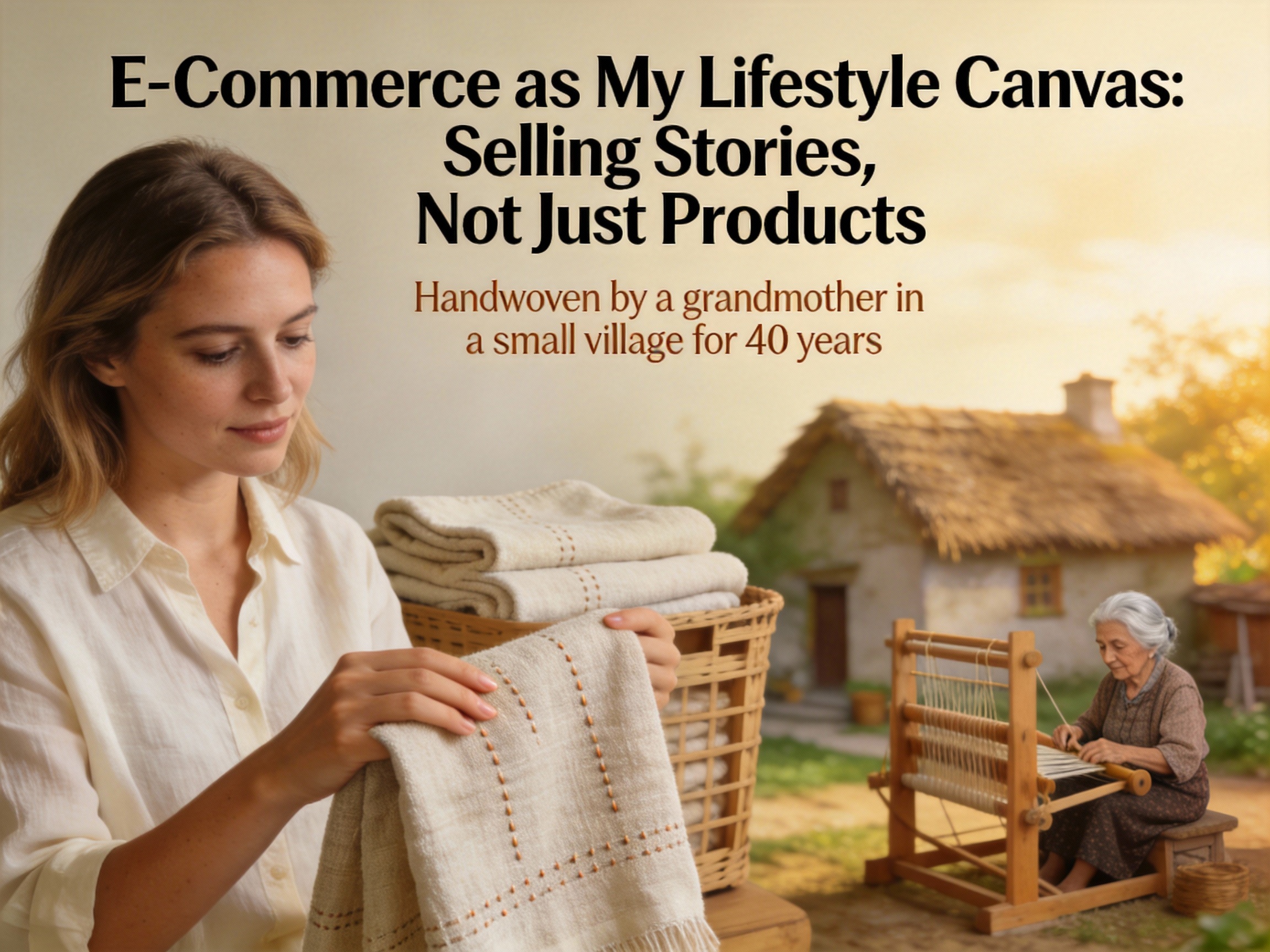
Last week, I spent three hours unpacking a crate of hand-woven linen towels, running my fingers over each subtle texture and spotting the tiny, uneven stitches that mark them as one-of-a-kind. They came from a grandmother in a small village, who’s been weaving the same way for 40 years, and that’s the story I don’t just tuck into a product description – I weave into every part of how I sell them.
I don’t chase viral home goods or bulk-buy items with razor-thin margins just to hit sales targets. Instead, I only stock pieces I’d use in my own home, from artisanal soaps to hand-thrown ceramic mugs. This means my inventory turns over slower than some shops, but customers who buy from me aren’t just after a quick purchase – they want to support something with heart. My margins might be 15% lower than fast-fashion e-commerce stores, but my repeat customer rate is three times higher, which makes up for it in the long run.
Fulfillment isn’t just sticking a label on a box. For every order, I write a short personal note – sometimes mentioning the artisan’s latest project, sometimes just a gentle reminder to take a slow moment. I use compostable mailers and recycled tissue paper, even though it adds a few cents to each shipment. A customer once emailed saying the note made their tough week feel lighter, and they’ve since bought four more gifts for friends. Those small touches turn a transaction into a connection.
I made the mistake of adding mass-produced kitchen gadgets to my store because a friend said they’d fly off the shelves. Sales went up for a month, but I hated packing those gadgets – they felt like a lie. Customers noticed too; comments like “this doesn’t feel like your usual stuff” started popping up. I pulled them immediately, and even though sales dipped temporarily, my regulars came back with more enthusiasm than ever. Scaling is great, but not if it means losing the thing that makes your shop unique.
Instead of pouring every dollar into social media ads, I host casual virtual sessions where I talk to customers about the artisans I work with, how to care for linen towels properly, or swap slow-living tips. These sessions don’t always lead to immediate sales, but they create a community of people who believe in the same values as my shop. One customer shared my store in their local book club’s newsletter, bringing in 20 new buyers without me spending a dime on ads. E-commerce isn’t just a job for me – it’s how I share the things I love, support creators I admire, and connect with people who get it.
- 240
- 0
- 0
- 0