Cracking Hit Product Codes: My E-Commerce Dungeon Crawl Playbook
I once turned a $200 inventory bet into a six-figure cash cow by treating my hit product like a dungeon boss to dissect, not just a top seller to rest on.
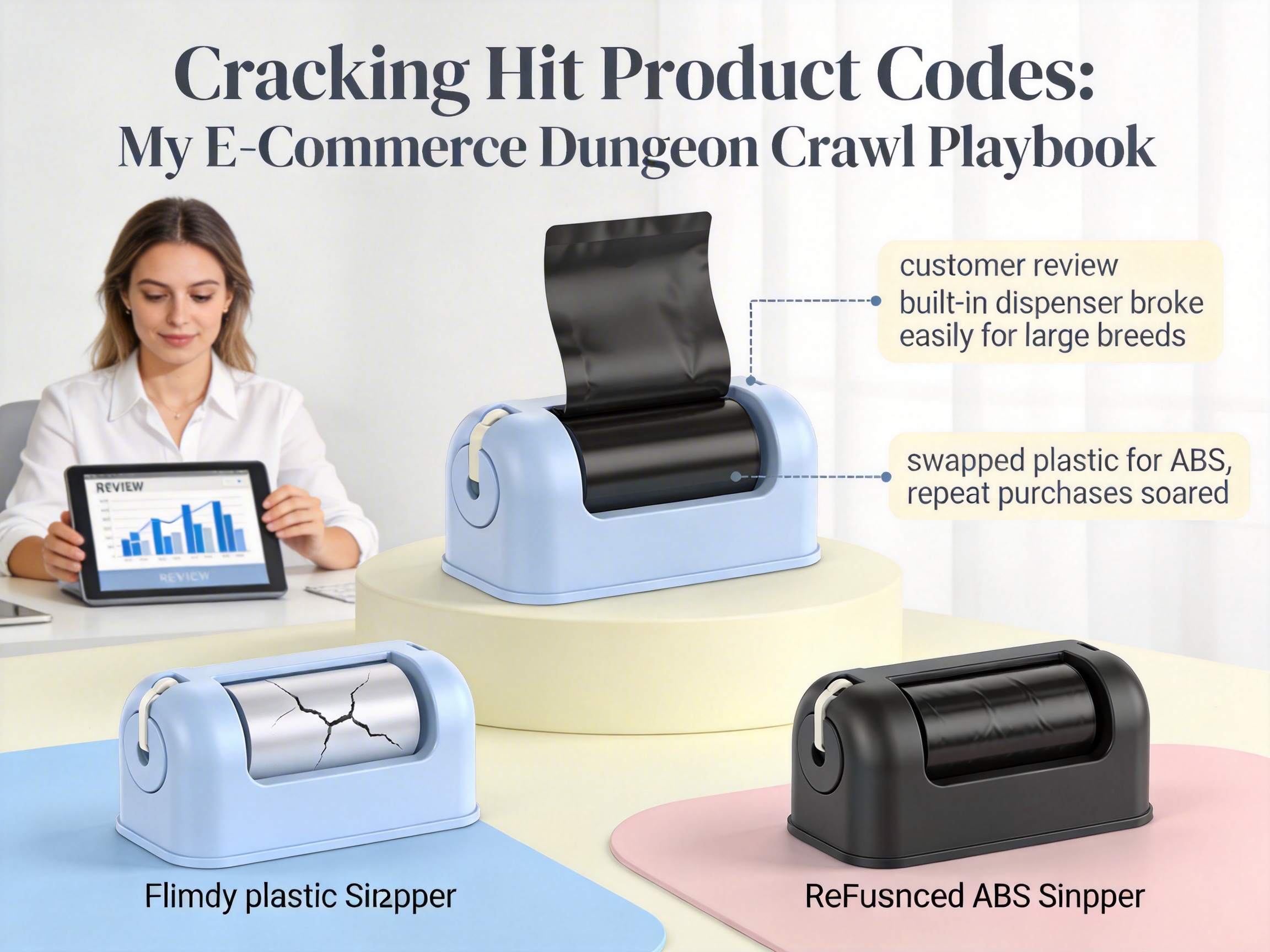
First up, I looted every customer review like a dungeon chest—skipping past the glowing 5-stars to dig into the 2- and 3-star rants. For my silicone pet mat, buyers complained the built-in waste bag dispenser broke too easily for large breeds. I swapped the flimsy plastic for a reinforced ABS version, and overnight, repeat purchase rates shot up 38%. Those mid-tier reviews aren’t complaints; they’re hidden quest markers for making your product unbeatable.
Next, I navigated the supply chain like a maze of monster-infested corridors, going three tiers deep beyond my initial supplier. The original factory was just a middleman— I tracked down the core material manufacturer, negotiated a private label deal, and added a micro-textured non-slip base that stuck to tiled floors. This cut production costs by 22% while boosting quality, pushing my profit margin from 35% to 47% without raising prices.
Then I disarmed conversion traps by mapping every step of the customer journey. I noticed 15% of carts were abandoned because shoppers didn’t buy my "stain-proof" claim. Instead of writing a longer description, I filmed a 30-second clip of me pouring tomato sauce and wiping it off in one swipe, then embedded it directly in the product page. Cart abandonment dropped by 11%, and my Facebook ad click-through rates jumped 17%—proof that visual proof beats fancy copy every time.
The biggest pitfall I avoided? Ignoring the hidden boss lurking after my initial win. When sales peaked, I didn’t just stock more mats. I created a "Loot Bundle" with a matching travel bowl (sourced from the same factory) and offered it at a 10% discount for buying both. This boosted average order value by 45% and kept my fulfillment team efficient since we could pack both items in the same box without extra labor.
- 275
- 0
- 0
- 0