Spot Fake Bestsellers: Data & Supply Chain Red Flags for Ecommerce Sellers
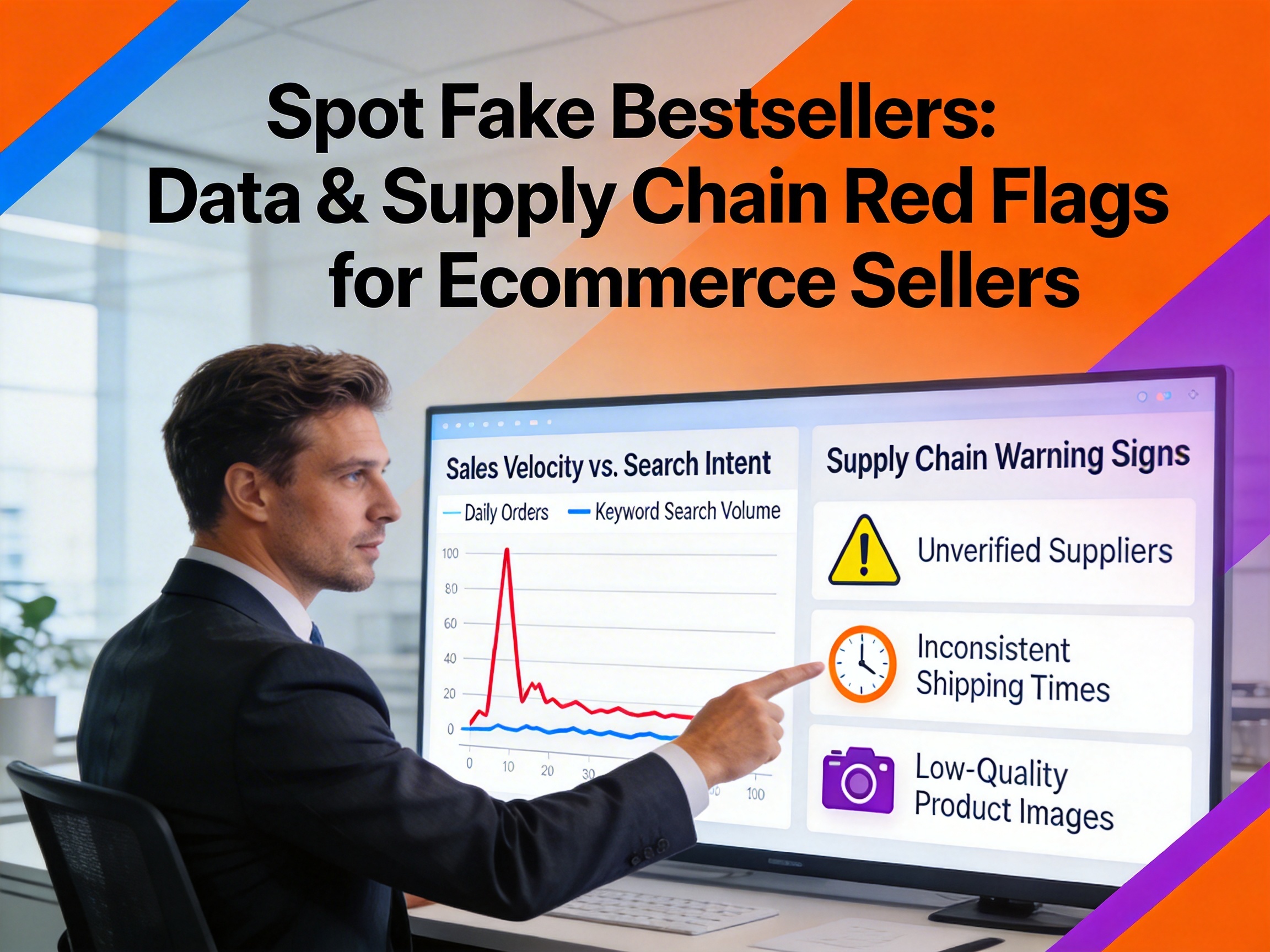
Ever stumbled on a product that’s suddenly topping category rankings but feels too good to be true? Dig into sales velocity vs. search intent first. If a listing’s daily orders skyrocket overnight but keyword search volumes for the item stay flat, it’s likely inflated by artificial methods. Skip surface-level rank checks; cross-reference with your platform’s native search analytics to confirm if customer demand actually matches the sales numbers.
Supply Chain Warning Signs
Now turn to your supplier’s behavior – if they’re pushing you to lock in large minimum order quantities for a “trending” item but can’t provide consistent lead times or batch production records, hit pause. Legitimate demand spikes prompt suppliers to ramp up production gradually, not pressure sellers into bulk buys without proof of sustained interest. Ask for recent order invoices from other retailers; if they’re vague or refuse to share, that’s a clear red flag they’re peddling a fake hit.
Actionable Checks to Avoid Traps
- Scour customer reviews for generic language or identical phrasing across multiple accounts. Fake reviews often skip specific details about product use or fit.
- Track repeat purchase rates for the item. A genuine bestseller will have 10%+ repeat buyers within 30 days; fake ones hover below 2%.
- Test small first: Place a trial order of 20-30 units instead of committing to bulk. If the supplier pushes back on small MOQs, they’re likely banking on unsuspecting sellers to offload overstock.
By combining these data and supply chain checks, you’ll avoid tying up cash in inventory that will collect dust in your storage. Focus on products backed by real, sustainable customer demand instead of falling for flash-in-the-pan fake bestsellers.
- 424
- 0
- 0
- 0