Navigating Middle East & LatAm E-Commerce: Tailored Tactics for Sellers
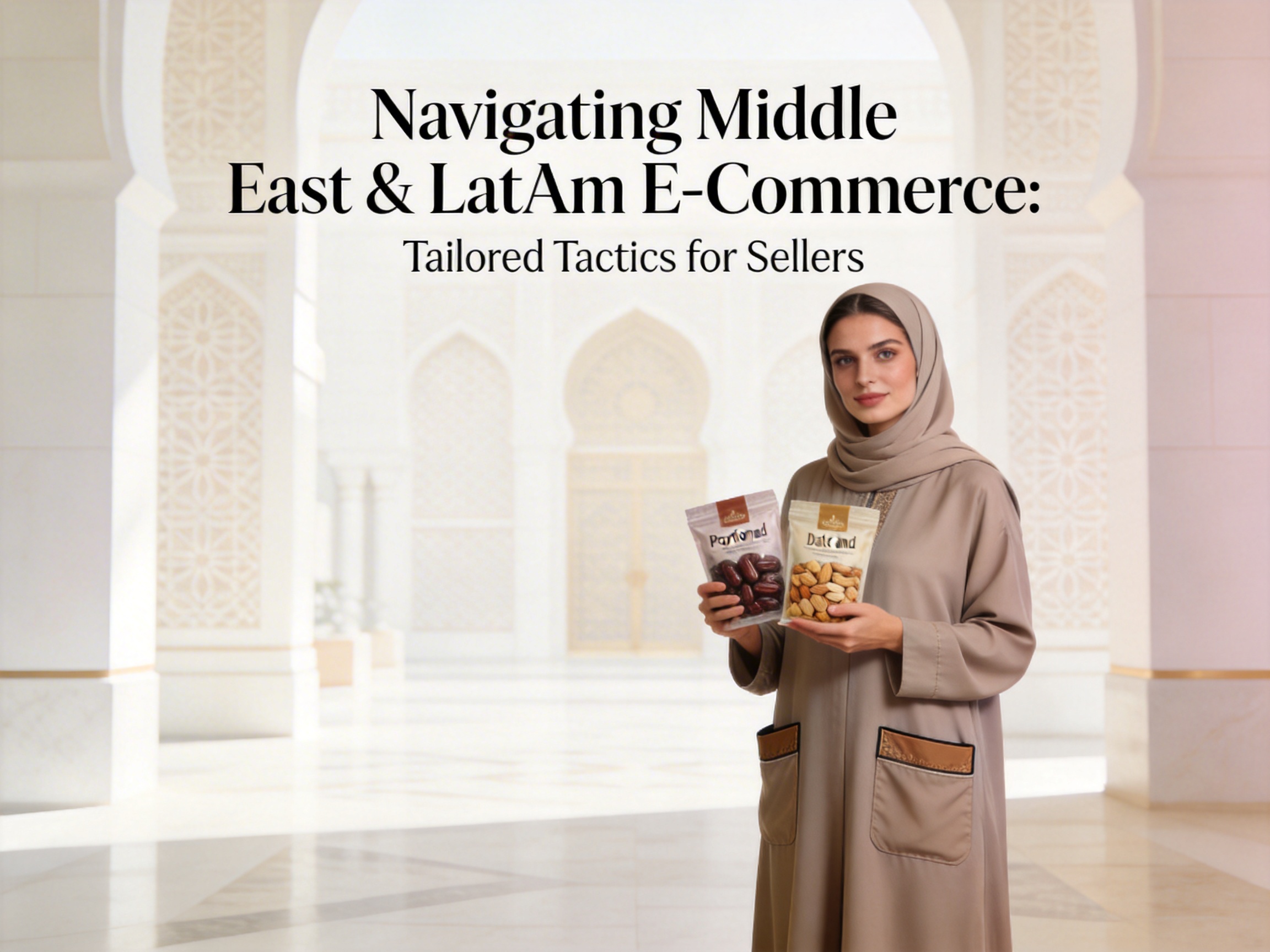
Ever wondered why your same e-commerce strategy flops in Riyadh but soars in São Paulo? The answer lies in leaning into hyper-local consumption triggers instead of clinging to one-size-fits-all plans. For Middle Eastern markets like Saudi Arabia and Egypt, tie product bundles to religious daily rituals—not just major festivals. Think modest, wrinkle-resistant abayas with built-in pockets for post-prayer errand runs, or pre-portioned date and nut packs perfect for quick iftar bites. These small, context-aware tweaks turn casual browsers into repeat buyers.
Payment Flexibility That Speaks to Local Habits
Ditch the assumption that global payment gateways work everywhere. In Latin American markets like Mexico and Brazil, most shoppers steer clear of credit cards due to sky-high interest rates, so offering cash-based installment options like boleto bancário or OXXO pay-in-store cuts cart abandonment dramatically. Over in the GCC, digital wallets like Mada (Saudi Arabia) and Souq Pay (UAE) are non-negotiable, but don’t stop there: add deferred payment plans for high-end watches or fragrances, since regional shoppers crave luxury but prefer to spread costs without accruing debt.
Don’t sleep on social proof’s regional flavor, either. In LatAm, micro-influencers with tight-knit local followings drive way more conversions than A-list celebrities, so partner with creators who post unscripted, relatable unboxings. In contrast, Middle Eastern shoppers prioritize halal certifications and endorsements from trusted regional media personalities—skipping halal labeling on beauty products, for example, can tank sales in Kuwait overnight. Even within regions, nuances matter: Oman’s shoppers favor local artisanal goods over international luxury, so stock a mix to balance healthy margins and long-term customer loyalty.
- 308
- 0
- 0
- 0