Tailoring E-Commerce Strategies for Middle Eastern and Latin American Shoppers
Ever wondered why your top-selling portable audio gear fared poorly in Brazil but dominated checkout carts in Qatar? The answer lies in hyper-localizing your approach to regional consumption quirks, not just tweaking ad copy.
Middle Eastern Shopper Focus Areas
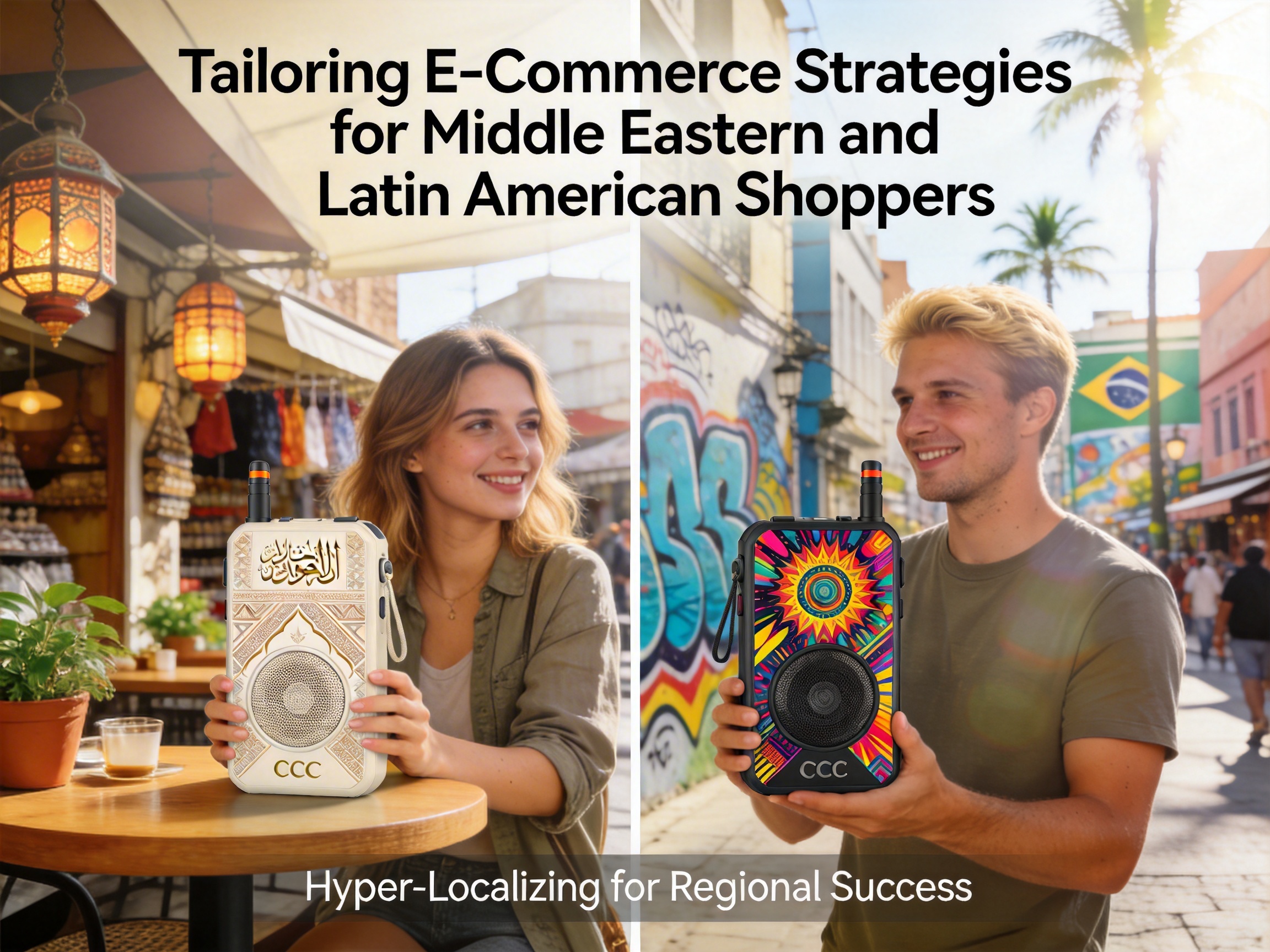
For GCC markets, lean into cultural alignment over broad luxury claims. Shoppers gravitate toward products with subtle, religiously respectful packaging—avoid loud imagery that clashes with local values—and partner with regional micro-influencers who emphasize family-centric use cases. Fulfillment near dense residential zones with easy access to mosque districts also drives repeat purchases, as shoppers prioritize convenience for everyday and culturally relevant goods.
Latin American Shopper Tactics
Ditch generic social media campaigns for Latin America’s hyper-social, neighborhood-focused shoppers. In Brazil and Argentina, micro-influencers with small, local followings drive far more conversions than global celebrities, as fans trust their unscripted, in-home product demos. Mandate flexible payment plans—split transactions into interest-free installments with no credit checks—even for low-ticket items; skipping this leads to a sharp drop in completed purchases.
Don’t overlook cross-regional pitfalls. Middle Eastern shoppers won’t compromise on product authenticity, so include clear, locally certified sourcing details on every product page. Latin American shoppers hate surprise fees, so display all taxes and delivery costs upfront, embedded directly in the cart summary before checkout. These small, specific tweaks turn window shoppers into loyal customers across both regions.
- 322
- 0
- 0
- 0