Curating Products That Feel Like Extensions of Our Shared Lifestyle
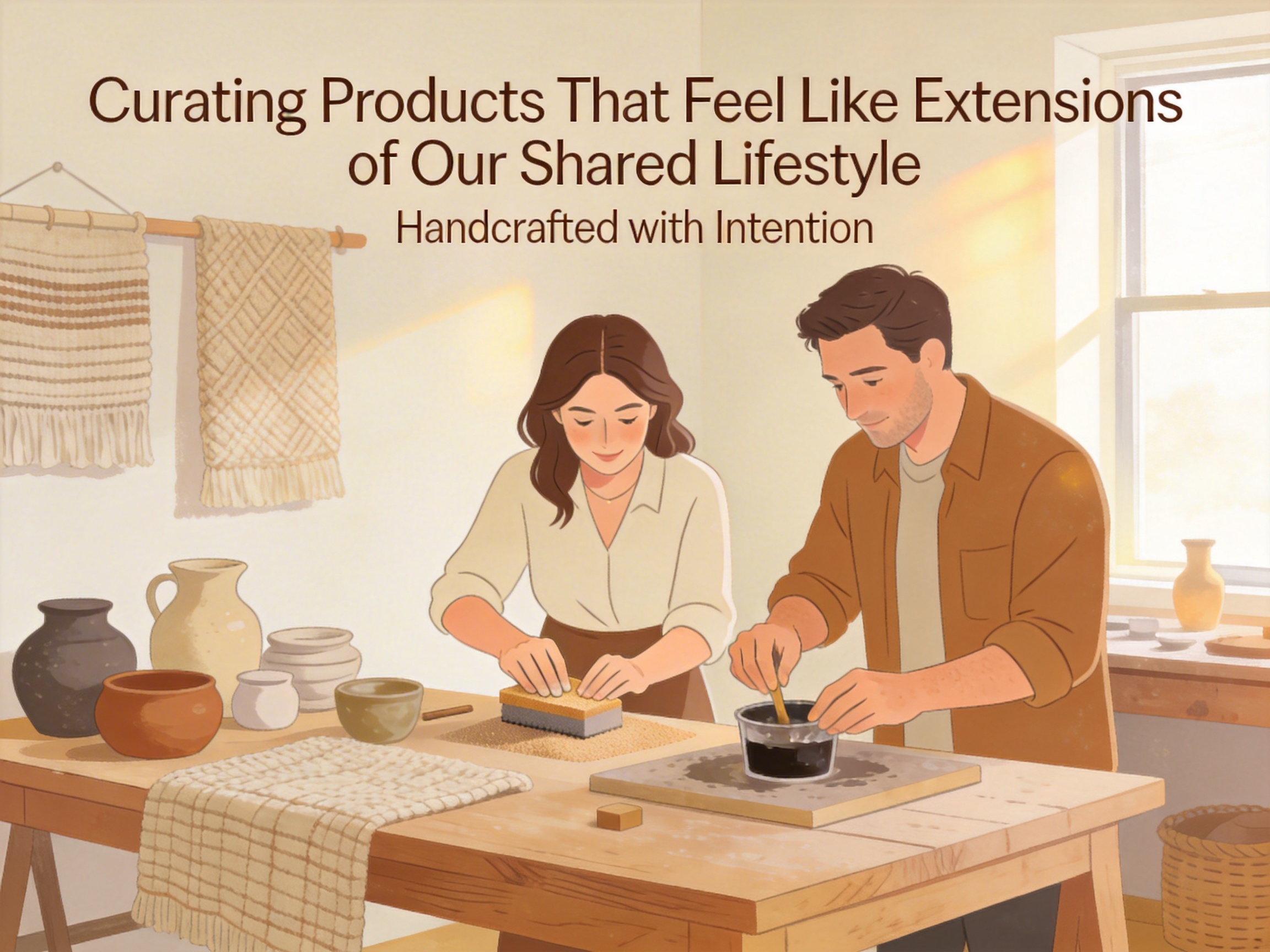
Have you ever felt like the products you sell should do more than just sit on a shelf? For me, e-commerce isn’t about moving inventory—it’s about inviting people into a way of being that feels intentional, gentle, and unhurried. That’s why I stopped sourcing from mass factories that prioritize speed over soul. Instead, I partner with small, family-run workshops where makers take time to sand each edge, mix each dye by hand, and stand behind every piece they create. It means my margins are tighter, but every item in my store carries a piece of the maker’s story, which turns a simple purchase into a connection.
Here’s the catch: curating with heart doesn’t mean shutting out customers who can’t splurge on high-end pieces. Early on, I made the mistake of filling my store only with premium items that fit my ideal lifestyle, and I watched as curious browsers left without buying anything. Now, I balance niche, investment pieces with smaller, more affordable options that still align with my brand’s ethos. Think: a $12 beeswax candle next to a $80 hand-carved wooden tray. Both fit the slow-living vibe, but they let customers engage with the lifestyle at their own budget level.
When writing product blurbs, I skip the generic bullet points of specs and dive into the moments the product is made for. Instead of listing dimensions, I talk about how a linen napkin feels against your hands during a quiet dinner, or how a hand-thrown mug holds just enough to savor a quiet moment without rushing. Customers don’t buy products—they buy the feelings and experiences those products bring. This shift didn’t just boost my conversion rate; it made my feedback box fill with notes about how my store feels like a friend who gets them.
Finally, I’ve learned to say no to algorithmic nudges that push me to chase viral trends. I was once told to add a line of neon-colored kitchen gadgets because they were blowing up on social media. But that’s not the lifestyle I’m here to promote. Saying no meant missing out on a short-term sales spike, but it kept my core customer base loyal. Those are the people who tell their friends about my store, who come back for birthdays and holidays, and who turn my small business into something more than a side hustle—they turn it into a community.
- 367
- 0
- 0
- 0