Turn Slow-Moving Inventory Into Steady Profits Without Slashing Prices
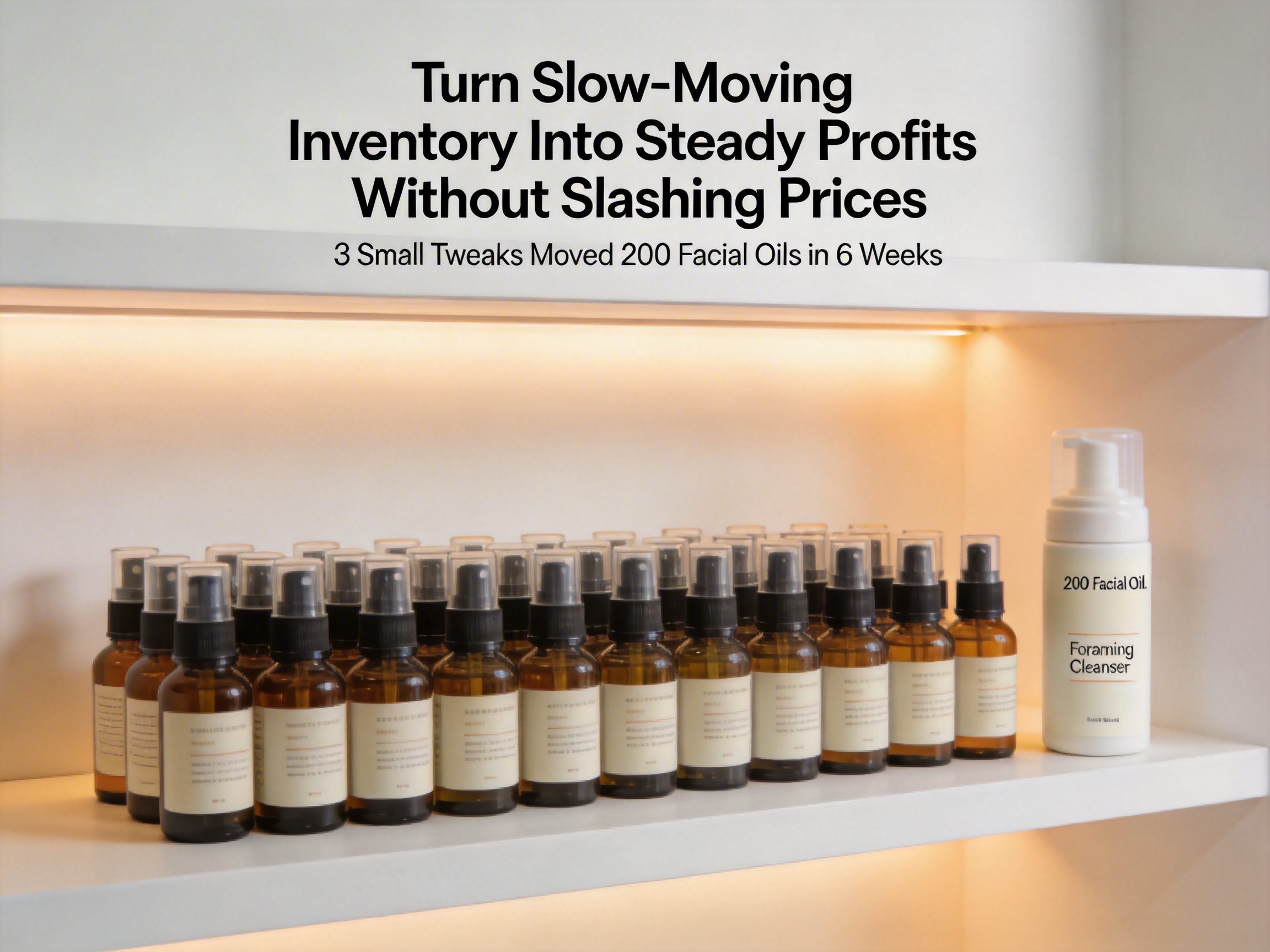
A boutique skincare client of mine stared at 200 unsold facial oil bottles, convinced she’d have to mark them down to 50% just to clear space—until we tried three small, intentional tweaks that moved every bottle in six weeks, no fire sales required.
First, pair slow movers with high-demand anchor products in tight, purpose-driven micro-bundles. Instead of tossing the oil into a random “skincare set,” we packaged it with her top-selling foaming cleanser, positioning the bundle as a “double-duty morning routine” where the oil locks in moisture the cleanser can’t. Customers didn’t see a discounted item; they saw a solution to their post-cleansing tightness.
Next, rewrite the slow mover’s product messaging to fill a gap the anchor product leaves. The facial oil had been marketed as a “luxury moisturizer,” but cleanser buyers often complained about sensitive skin irritation. We updated the oil’s description to highlight its soothing, barrier-repair ingredients, framing it as the missing piece for anyone who loved the cleanser but struggled with dryness afterward.
Finally, target buyers of the anchor product directly with personalized nudges. We pulled a list of customers who’d purchased the cleanser in the past two months and sent a short, friendly note explaining how the oil could fix their common complaint. No flashy ads—just a relevant, timely recommendation that felt like helpful advice, not a sales pitch.
The best part? She maintained her original profit margins on every oil sold, and many customers came back to buy the oil on its own later. Slow inventory doesn’t have to be a loss; it’s just an opportunity to connect products to unmet customer needs.
- 520
- 0
- 0
- 0