Uncovering Niche E-Commerce Gaps & Must-Have Tools for Savvy Sellers
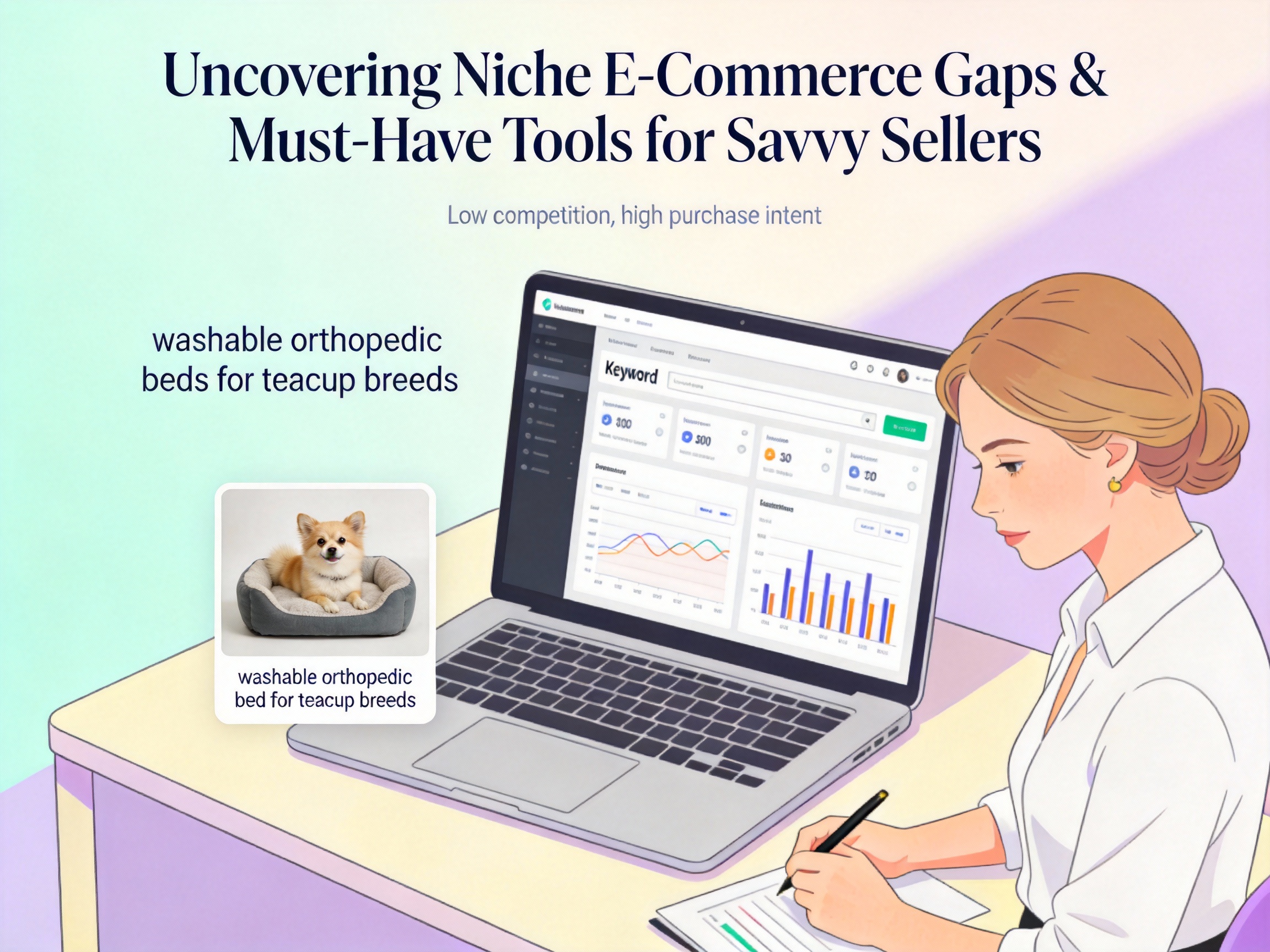
I once stumbled on a tiny product category while scrolling through a lesser-known wholesale directory, and it became my highest-margin line within three months. The trick wasn’t just picking a random niche—it was using a free keyword research tool that filters for low competition and high purchase intent to narrow down to hyper-specific subcategories. For example, instead of targeting “pet beds,” I zeroed in on “washable orthopedic beds for teacup breeds” — a gap where competitors were sparse, and customers were willing to pay 20% more for the tailored fit.
To double down on these wins, I cross-reference every customer feedback thread with my inventory gaps using two core tools: a simple spreadsheet to track repeat requests, and a review aggregator that pulls comments from all my sales channels into one dashboard. Last quarter, I noticed 18% of reviews on my silicone baking mats mentioned wanting ones with built-in measurement markers for mini loaves. I sourced that exact product, and it outsold my original mats by 30% in the first month—no extra ad spend needed, just listening to what customers actually wanted.
But here’s a pitfall I learned the hard way: don’t chase a category opportunity without vetting fulfillment first. I once jumped into selling custom ceramic planters, excited by the high margins, but forgot to use a fulfillment cost calculator to check how much it would cost to ship fragile, irregularly shaped items. My initial profit estimates were off by 40% because of extra packaging and carrier surcharges, and I had to discount half the inventory to move it. Now, I run every potential new category through that calculator before placing any wholesale orders.
Another underrated resource is niche seller communities. I’m part of three private groups where we swap insights about unmet needs. Last month, several members were complaining about the lack of eco-friendly, compostable mailers for small jewelry items—something I hadn’t even considered. I sourced a bulk supply of these mailers and started offering them as an add-on at checkout, which boosted my average order value by 12% and earned me positive reviews from eco-conscious customers.
The key to staying ahead isn’t just collecting tools—it’s using them in combination to connect the dots between hidden category gaps, customer needs, and feasible fulfillment. Each tool fills a specific blind spot: keyword research finds the gaps, feedback tools validate demand, calculators prevent costly mistakes, and communities uncover opportunities you’d never see alone.
- 182
- 0
- 0
- 0