Cautious Compliance Habits That Shield Your E-Commerce Business from Ruin
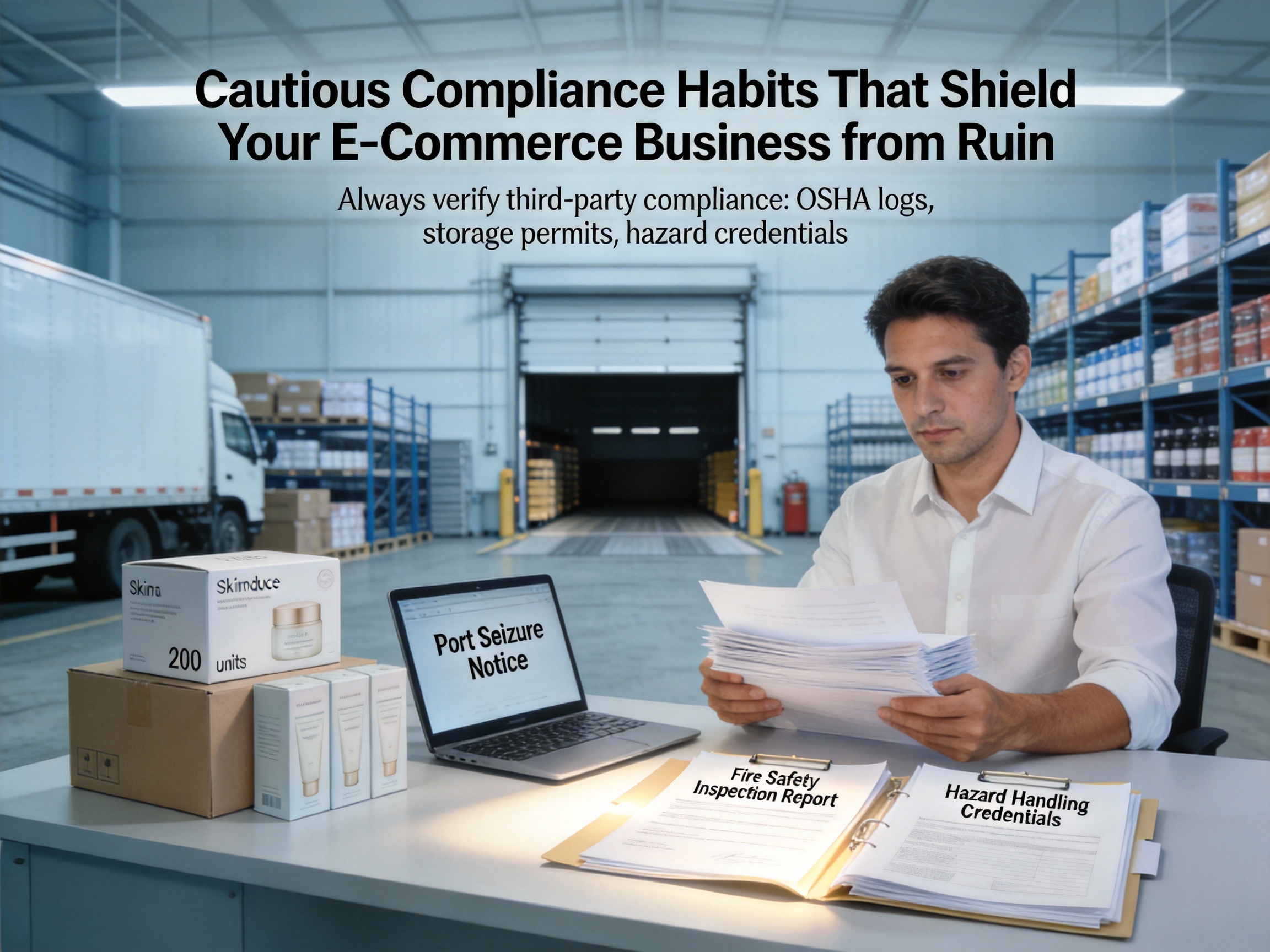
Last month, a fellow seller I know had 200 units of their best-selling skincare line seized at the port. Turns out their fulfillment center skipped required fire safety inspections, and the brand got tied to the violation. As small business owners, we’re often so focused on margins and sales that we hand over control to third parties without verifying their compliance. The fix? Always ask for current, signed compliance certificates—OSHA logs, local storage permits, and hazard handling credentials—from every fulfillment partner. Spot-check their facilities once a quarter too; photos or virtual tours aren’t enough to catch hidden risks like faulty wiring or improper chemical storage.
Payment processing is a quiet ticking time bomb if you don’t prioritize safety. I once cut corners by using a cheap, unvetted processor to save 0.2% on transaction fees. That decision nearly cost me $40k in FTC fines when a data breach exposed 500 customer credit card details. Now, I only work with processors that provide monthly PCI DSS compliance reports, and I never store customer payment data on my own systems—even for repeat orders. It’s a small cost to avoid wiping out six months of profits in one go.
Product labeling isn’t just about branding; it’s your first line of defense against legal action. A customer once sued me after buying a dietary supplement that didn’t list a common allergen. Even though the manufacturer provided the label, I failed to cross-reference it with state-specific food safety rules. Now, I do three things: hire a local compliance consultant to audit all labels, spot-check 15% of outgoing units to ensure labels match the approved version, and keep a digital record of every label approval for three years. These steps might add an extra day to my shipping timeline, but they’ve stopped two potential lawsuits from moving forward.
- 128
- 0
- 0
- 0