Spotting Cross-Border E-Commerce Fake Bestsellers: Sidestep Costly Traps
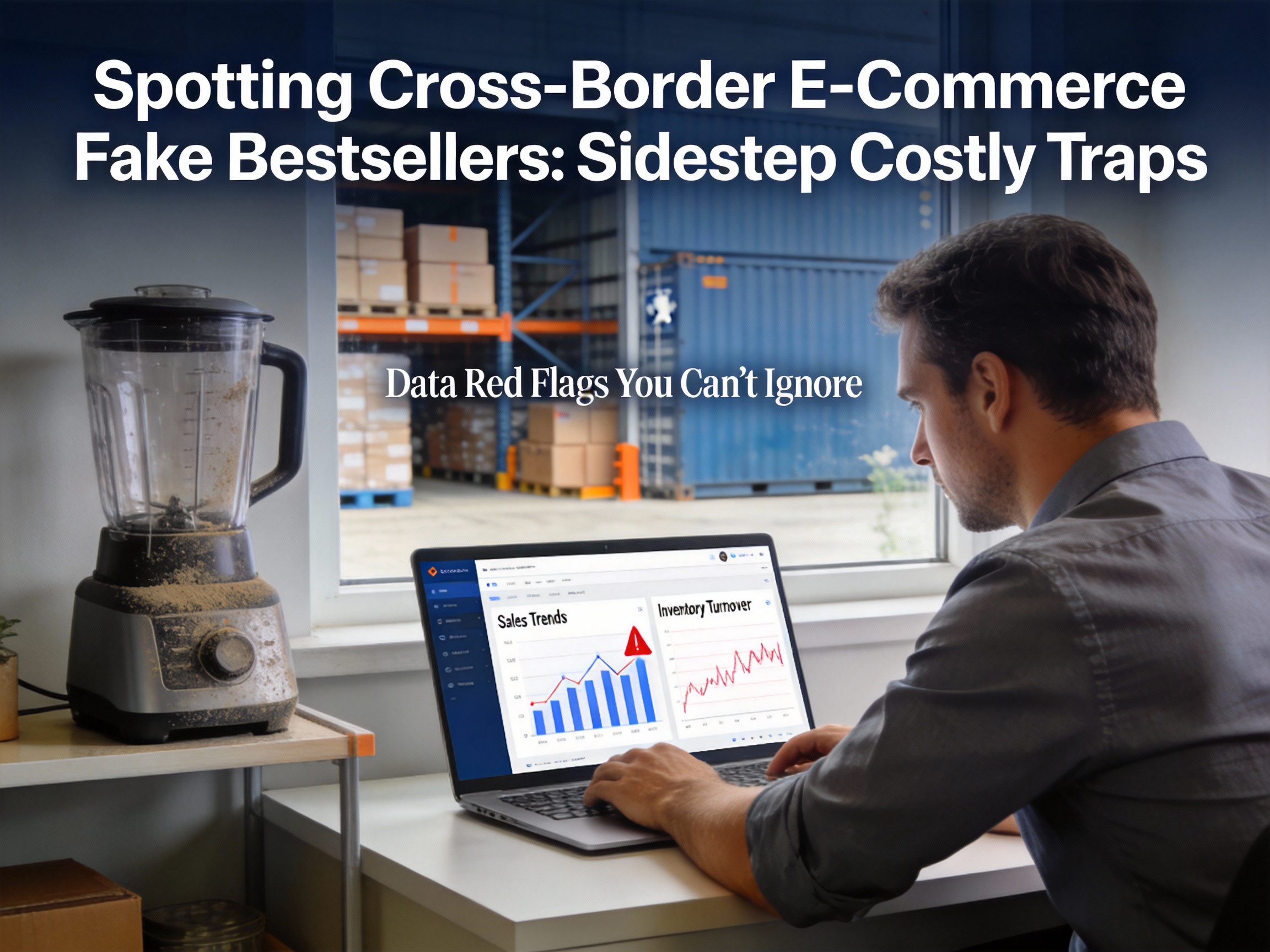
After 10 years in cross-border e-commerce, I still kick myself for dumping $20k into inventory for a so-called top-performing portable blender, only to watch it collect dust in my overseas warehouse for months. Turns out it was a total fake bestseller, propped up by shady third-party tactics I should’ve spotted instantly.
Data Red Flags You Can’t Ignore
Start by digging into your sales analytics with a critical eye. If you’re tracking a product that’s supposedly flying off shelves, cross-reference its daily sales with organic search volume and ad spend. A 400% sales spike in three days with no corresponding lift in ad impressions or search queries is a dead giveaway—it’s likely being boosted by paid fake reviews and bot-driven purchases. Also, check repeat purchase rates: if less than 1% of buyers come back for a second order, that product has zero long-term traction; real bestsellers build loyal customer bases that keep coming back.
Supply Chain Clues That Tell the Truth
Don’t just rely on sales data—hit up your manufacturers and suppliers for the inside scoop. If a supplier offers an unusually low MOQ (like 50 units) for a supposed “hot” item when their standard MOQ for similar products is 500, they’re quietly signaling they don’t believe in its staying power. Another red flag? If they claim the product is in high demand but can’t fulfill your order for two weeks without a clear production delay reason—real top-sellers have factories running non-stop to keep up with consistent demand.
To avoid falling for these traps, always test small first: order 20-30 units to gauge real customer response before scaling up. Use your existing customer email list to run a quick pre-order survey—if no one bites, that’s a clear sign to walk away. And don’t be swayed by generic “bestseller” badges on third-party platforms; those can be bought or manipulated far too easily to be trusted.
- 374
- 0
- 0
- 0