Spotting Pseudo High-Ticket Trends That Drain Your Capital & Inventory
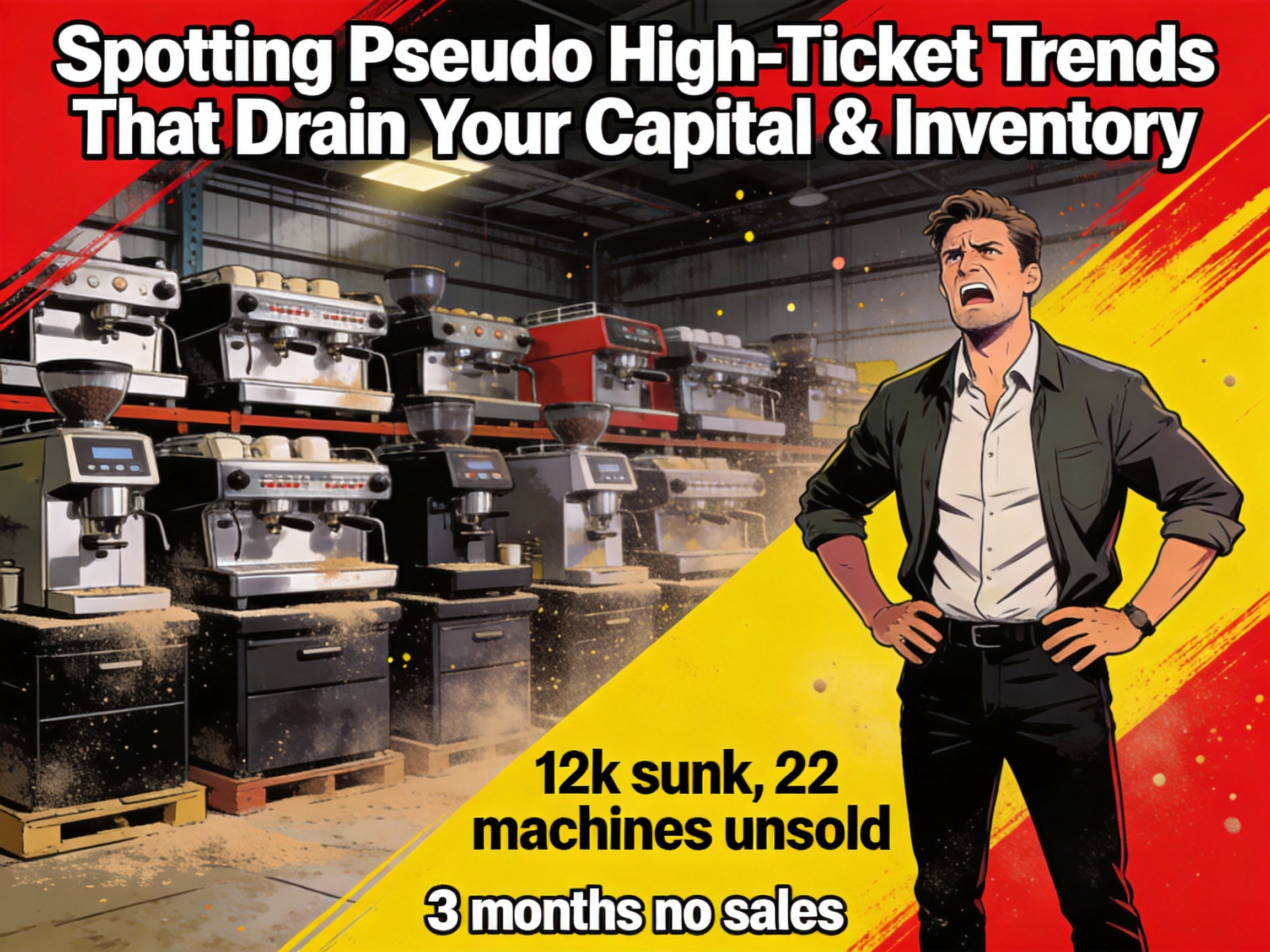
I once sunk $12k into a set of commercial-grade espresso machines after seeing a sudden spike in Amazon search volume and glowing top reviews. By the time my inventory landed, the “trend” was gone, and I was stuck with 22 machines collecting dust in my warehouse—none sold in the first three months.
High-ticket pseudo-trends are extra dangerous because they tie up more capital, so I’ve learned to spot them before pulling the trigger. First, cross-reference estimated sales with review counts using third-party seller tools. For a $600+ product, a review-to-sales ratio higher than 1:5 is a huge red flag. Legitimate high-ticket buyers rarely leave reviews right away, so if you see 150 reviews but only 200 estimated sales, those reviews are almost certainly paid for.
Next, dig into supply chain signals when vetting manufacturers. Reach out to three different suppliers for the same “hot” high-ticket item and ask about minimum reorder quantities (MOQs) and lead times. If all of them give vague answers—like “we can make 10 units now, but MOQs might change next week”—that’s a sign there’s no real sustained demand. Legitimate high-ticket trends mean factories are ready to scale, so they’ll lock in consistent MOQs for repeat orders.
Finally, track post-purchase customer engagement. After selling your first batch of high-ticket items, keep an eye on your support inbox. If you’re not getting any inquiries about setup help, replacement parts, or even follow-up questions about warranty coverage, those initial sales were probably fake. Real high-ticket buyers invest time in their purchases and will reach out with questions long after clicking “buy.”
These checks take an extra day or two, but they’ve saved me from wasting another five figures on inventory that’s destined to gather dust. For high-ticket items, slow and cautious beats chasing every flashy trend.
- 295
- 0
- 0
- 0