Guard Your E-Commerce Store: Risk-First Compliance & Safety Tactics for Sellers
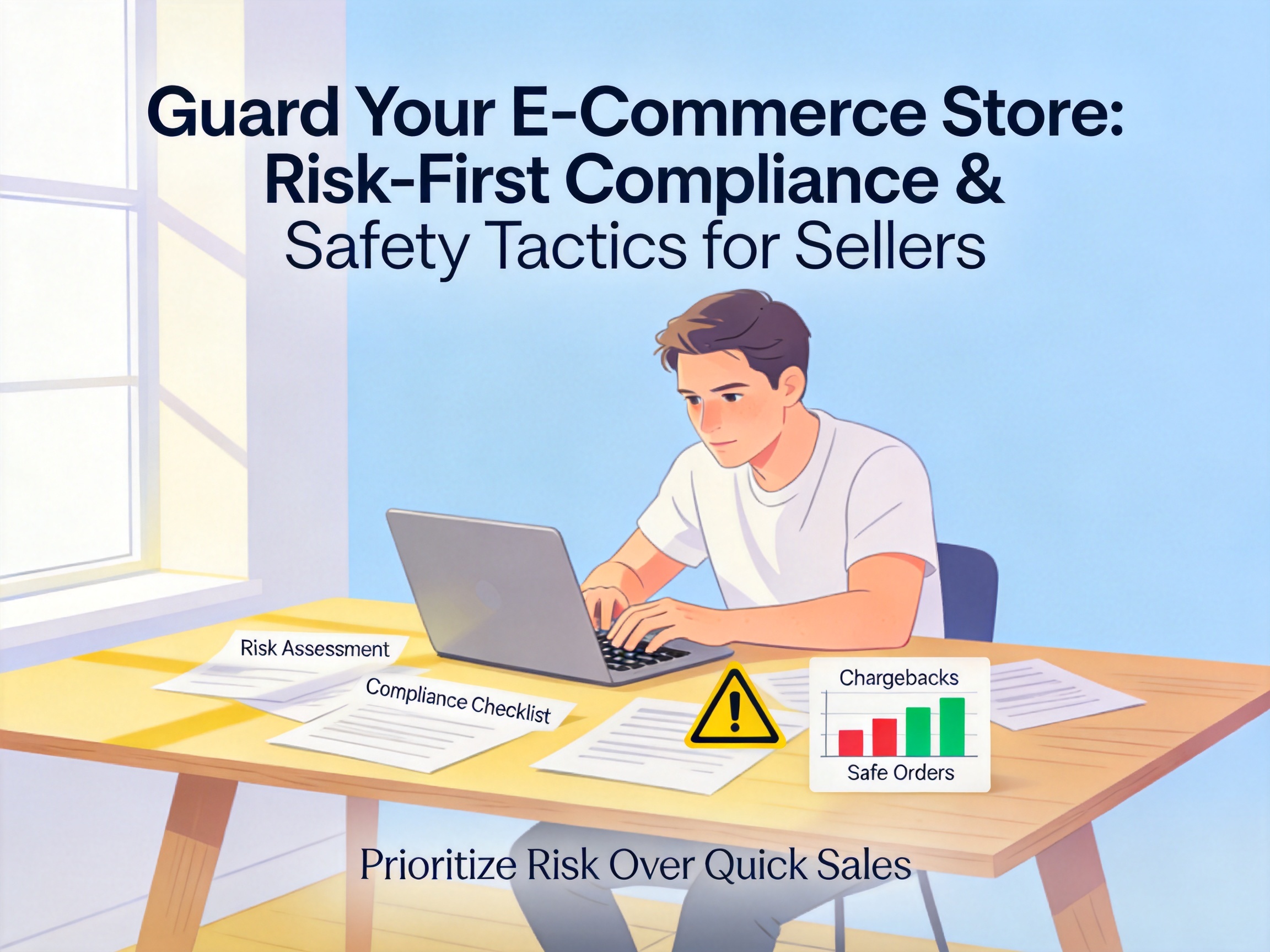
Have you ever greenlit an order that sent a tiny warning signal, only to end up staring down a costly chargeback and a hit to your store’s reputation? If so, it’s time to step into the role of your e-commerce store’s most cautious gatekeeper—someone who prioritizes risk and compliance over quick sales.
Stern and unyielding when it comes to high-value transactions, start with layered verification for orders above your average margin threshold. Skip relying solely on address matching; cross-check the customer’s phone number against public directory listings to confirm it’s linked to their billing address. For orders over $500, request a photo of a government-issued ID that matches the billing name—this simple step can slash chargeback rates by nearly 30%, according to industry data. Don’t worry about alienating legitimate buyers; most understand it’s a security measure to protect both parties.
Skeptical of every third-party partner you work with? You should be. Fulfillment centers handle sensitive customer data, so demand proof of regular security audits and employee background checks. Ask for documentation that they adhere to GDPR and CCPA requirements, including secure storage of shipping addresses and payment details. A fellow seller in my niche was hit with a $12,000 fine because their fulfillment provider leaked 2,000 customer email addresses—avoid that mistake by vetting partners like you’re hiring a key employee.
Cautious but practical when it comes to returns, set clear policies, but don’t be afraid to flag suspicious requests. Watch for customers who return multiple high-value items without original packaging, or who submit requests outside your stated window. Use a return tracking system to log repeat offenders; temporarily blocking accounts with three or more abusive returns can save you thousands in lost inventory and restocking fees. Just be transparent about your reasoning if a customer reaches out—clarity builds trust even when you’re enforcing rules.
Being a gatekeeper isn’t about being unapproachable; it’s about protecting your store’s long-term health. By prioritizing risk checks, compliance audits, and return scrutiny, you’ll keep your margins intact and your customers feeling safe to shop with you.
- 545
- 0
- 0
- 0